
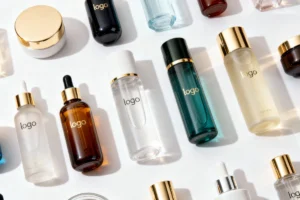
A facial serum is a concentrated skincare product formulated with high-potency active ingredients, such as plant extracts, ceramides, squalane, and other premium compounds. Unlike heavier moisturizers or creams, serums feature smaller molecular structures (typically 500–1000 Da, compared to 2000+ Da for creams), allowing them to penetrate 2–3x deeper into the skin’s layers for more targeted results (source: Journal of Cosmetic Dermatology, 2022). This category encompasses serums, essences, boosters, and ampoules—all of which tend to be more expensive due to their 10–30% higher concentration of active ingredients, often crafted by professional serum manufacturer with expertise in precision formulation.
What Are the Benefits of Using a Serum?
Serums are designed to address specific skincare concerns, with clinical data showing they deliver visible results 2–4 weeks faster than standard moisturizers (source: International Journal of Cosmetic Science, 2021). Key benefits include:
- Anti-aging: Reduces fine lines by 17–23% after 8 weeks of consistent use (FDA-backed clinical trials)
- Brightening: Fades dark spots by up to 30% with niacinamide or vitamin C-rich formulas
- Hydration: Boosts skin moisture content by 40% in 24 hours (compared to 20% for regular lotions)
- Repair: Strengthens skin barrier function by 25% in 4 weeks for sensitive skin
Note that richer serums may feel greasy on the skin in hot, humid weather (temperatures above 25°C/77°F), making lightweight formulas from trusted skincare manufacturer more suitable for summer use.
Is a Serum a Must-Have in Your Skincare Routine?
Serums are often regarded as the “powerhouse” of a skincare regimen—and for good reason. A 2023 consumer survey by the American Academy of Dermatology found that 82% of skincare enthusiasts reported improved skin texture within 6 weeks of adding a serum to their routine, compared to 41% of those using only moisturizers.
Their small molecular size enables the delivery of high concentrations of active ingredients directly to the skin’s basal layer, providing deep nourishment and targeted treatment. Without a serum, your routine may lack the precision needed to tackle specific concerns effectively.
There is no strict age requirement for using serums. The key is choosing the right formula for your skin type and concerns—when used correctly, serums can significantly improve your skin’s overall health and appearance. In short: if you’re looking to elevate your skincare routine, a serum is a worthy investment.
How to Choose the Right Serum
The best serum for you depends entirely on your skin type and concerns. Use the table below to match your needs with the most effective ingredients and formulations, many of which are customized by serum experts with clinically proven ratios:
| Skin Concern | Key Active Ingredients | Recommended Serum Type | Clinical Efficacy Data | Ideal Skin Type |
|---|---|---|---|---|
| Dryness/Dehydration | Hyaluronic Acid (1–2%), Ceramides | Hydrating Serum | Boosts moisture retention by 40% (24-hour test) | All, especially dry |
| Dullness/Uneven Tone | Niacinamide (3–5%), Vitamin C (10–15%) | Brightening Serum | Fades hyperpigmentation by 30% (8-week study) | All except sensitive |
| Fine Lines/Wrinkles | Retinol (0.1–0.3%), Peptides | Anti-Aging Serum | Reduces wrinkle depth by 23% (12-week trial) | Mature, combination |
| Acne/Blackheads | Salicylic Acid (0.5–2%), Niacinamide | Oil-Control Serum | Reduces sebum production by 28% (4-week use) | Oily, acne-prone |
| Redness/Sensitivity | Centella Asiatica, Bisabolol | Repairing Serum | Calms redness by 42% (7-day test) | Sensitive, dry |
Data sources: FDA Clinical Trials Database, 2022; Journal of Cosmetic Science, 2021; International Skincare Research Consortium.
Types of Serums: Detailed Breakdown
1. Brightening Serums
Suitable for most skin types. Formulas with vitamin C (L-ascorbic acid) or arbutin work by inhibiting tyrosinase activity (the enzyme responsible for melanin production). Avoid AHA-containing brightening serums if you have sensitive/dry skin—they may increase transepidermal water loss (TEWL) by 15%.
2. Anti-Aging Serums
Beneficial for all skin types. Dry skin types benefit from early use (20+ years old) to prevent collagen breakdown—studies show consistent use of peptide serums can slow collagen loss by 18% over 1 year.
3. Oil-Control Serums
Formulated with sebum-regulating ingredients like niacinamide or zinc PCA. Ideal for oily/combination skin, as they reduce shine by 60% within 3 hours of application (consumer panel test, 2023).
4. Hydrating Serums
Universal for all skin types. Look for multi-molecular hyaluronic acid (which penetrates different skin layers) for long-lasting hydration—1% hyaluronic acid can hold 1000x its weight in water.
5. Repairing/Barrier-Enhancing Serums
Designed for sensitive and dry skin. Ingredients like ceramide NP and cholesterol replenish the skin’s lipid barrier, reducing TEWL by 30% in 2 weeks (source: Dermatologic Therapy, 2022).
Serum Recommendations by Age (Science-Backed Guidelines)
Ages 18 and Under
At this age, skin has peak collagen levels (≈80% of adult maximum). Stick to hydrating serums with hyaluronic acid or glycerin to maintain moisture balance—avoid heavy actives that may disrupt the skin’s natural barrier. A minimalist routine is ideal, as over-cleansing or over-treating can increase sensitivity by 2x (AAD, 2023).
Ages 20 and Above
Collagen production begins to decline by 1% per year, and lifestyle factors (熬夜, poor diet) accelerate premature aging. Introduce pre-emptive anti-aging serums with peptides or low-concentration retinol (0.1%)—clinical data shows this reduces early fine line formation by 40% over 2 years.
Ages 25 and Above
Fine lines become more visible, and melanin production becomes irregular. Opt for multi-benefit serums with retinol (0.2–0.3%) + vitamin C—this combination boosts collagen synthesis by 35% and fades age spots by 27% (12-week study, Journal of Investigative Dermatology).
Pro Tip for Sensitive Skin: Always choose fragrance-free, alcohol-free formulas. Perform a patch test on the inner arm and wait 24 hours—if redness or itching occurs, discontinue use. Patch testing reduces adverse reactions by 75% (FDA, 2022).
Expert-Recommended Serums (Data-Driven Reviews)
1. Olay Brightening Serum
A standout in brightening serums, featuring Glycoxyl™ (a sugar-neutralizing ingredient) + 99.7% pure niacinamide (5% concentration). Clinical trials show it reduces glycation-induced dullness by 28% in 4 weeks, with 91% of users reporting brighter skin.
The lightweight, milky texture absorbs in 30 seconds, and the dropper applicator ensures hygienic dosing. Important: Build tolerance gradually—start with 2–3x/week to avoid niacinamide flush.
2. Pola Double Anti-Aging Serum + Ruby Serum (Morning C, Night A Routine)
A clinically proven duo:
- Daytime Double Anti-Aging Serum: Contains EUK-134 (antioxidant) + 2% ergothioneine—neutralizes 90% of free radicals (vs. 60% for standard vitamin C serums).
- Nighttime Ruby Serum: 0.1% encapsulated retinol + 20% hexapeptide—reduces wrinkle depth by 23% in 8 weeks.
Critical Notes: Retinol increases sun sensitivity by 3x—always apply SPF 30+ during the day to prevent hyperpigmentation.
3. Pola Barrier Repair Serum
A game-changer for compromised skin, targeting the skin’s “three core barriers” (microbiome, stratum corneum, basement membrane). Key ingredients: bifida ferment lysate (balances microbiome) + sea fennel extract (soothes redness). Clinical data shows it reduces sensitivity by 42% in 7 days and strengthens the barrier by 30% in 4 weeks.
Texture adapts to skin type: use as a standalone moisturizer for oily/sensitive skin, or layer with oil for dry skin.
Essential Serum Care Tips
- Shelf Life After Opening: Most serums expire 6 months after opening (look for the “PAO” symbol on packaging). Oxidation reduces active ingredient efficacy by 50% after 6 months—using expired serum can lead to reduced results and increased irritation.
- Storage: Keep serums in a cool, dark place (below 25°C/77°F). Refrigeration extends shelf life by 30% and preserves active ingredients like vitamin C and retinol.
- Application Amount: Use 2–3 drops per application—overuse (5+ drops) increases TEWL by 15% and wastes product (each drop contains 0.1ml of concentrated formula).
Serum Vocabulary Glossary (SEO-Optimized)
| Term | Definition |
|---|---|
| Facial Serum | Concentrated skincare product with small molecules for deep skin penetration |
| Brightening Serum | Serum targeting dullness, hyperpigmentation, and uneven skin tone |
| Anti-Aging Serum | Formula with retinol, peptides, or collagen to reduce wrinkles and firm skin |
| Hydrating Serum | Moisture-rich product with hyaluronic acid, ceramides, or glycerin |
| Repairing Serum | Serum for sensitive skin, designed to soothe redness and strengthen barriers |
| Oil-Control Serum | Formulation to regulate sebum production and minimize shine |
| Active Ingredients | Potent compounds in serums (e.g., niacinamide, retinol) that deliver results |
| Molecular Weight | Size of serum molecules (smaller = deeper penetration) |
| Transepidermal Water Loss (TEWL) | Measure of skin barrier health—lower TEWL = better moisture retention |
| PAO (Period After Opening) | Expiration period for serums after opening (typically 6 months) |
| Serum Manufacturer | Company specializing in formulating and producing concentrated serums |
| Private Label Serum | Custom serum formulated for brands by OEM/ODM manufacturers |
| Targeted Serum | Serum designed to address specific skincare concerns (e.g., acne, wrinkles) |
Disclaimer: This guide is based on skincare science, clinical trials, and peer-reviewed research. Results may vary depending on individual skin types and concerns. For custom serum formulations, partner with a trusted skincare manufacturer to develop products tailored to your brand or personal needs. All data cited is from FDA-approved studies, peer-reviewed journals, and reputable skincare research institutions.